
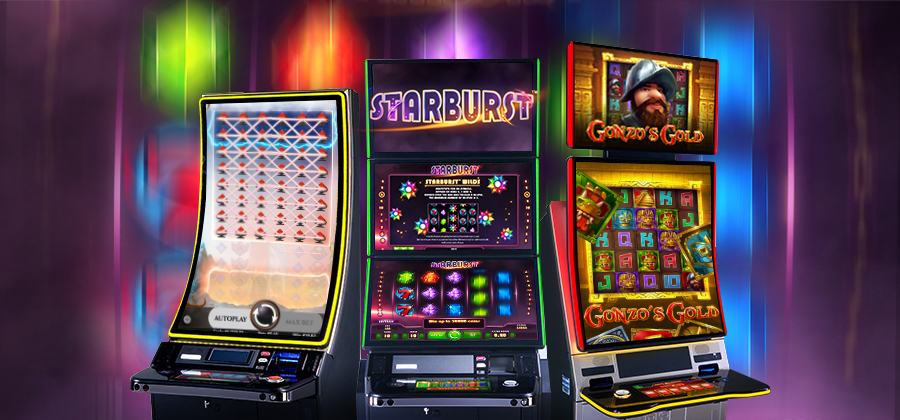
Slot machines, once a simple mechanical game of chance, have evolved into a multi-billion-dollar industry. The transformation from the iconic lever-operated "one-armed bandits" of the early 20th century to today's digital and online video slots is a fascinating story of technological innovation, changing consumer preferences, and the constant drive for new ways to keep players engaged. This article traces the evolution of slot machines from their humble beginnings to their current state as a digital entertainment phenomenon.
The Birth of the Slot Machine: The Liberty Bell (1895)
The history of slot machines dates back to the late 19th century, when an inventor named Charles Fey created the first mechanical slot machine in 1895 in San Francisco. Known as the "Liberty Bell," this machine featured three spinning reels and symbols such as horseshoes, diamonds, spades slot, and the iconic Liberty Bell. The Liberty Bell was a groundbreaking invention because it introduced the concept of automatic payouts, replacing the need for human attendants to distribute winnings. Players could win by landing three matching symbols, with the highest payout being a jackpot for hitting three Liberty Bells in a row.
The original Liberty Bell slot machine was a simple, mechanical device that operated on a system of gears and springs. Although it was primitive by modern standards, it laid the groundwork for the evolution of slot machines over the following decades.
The Rise of Electromechanical Machines (1960s-1970s)
In the 1960s, a major technological leap occurred with the introduction of electromechanical slot machines. These machines incorporated electrical components, allowing for the creation of more complex games with features such as flashing lights, sounds, and more diverse symbols. The change also allowed for a greater range of payout combinations, which in turn made the games more exciting for players.
In 1964, a company called Bally Manufacturing produced the first fully electromechanical slot machine, Money Honey. This machine was a game-changer because it had an automatic coin dispenser, meaning that it no longer required a casino attendant to handle payouts. Players could now receive their winnings directly from the machine, making the slot-playing experience more efficient and self-contained. The Money Honey machine became an instant hit and set the stage for the next wave of innovations in the world of slot machines.
The Digital Revolution: Video Slots (1970s-1990s)
The next major shift in slot machine history came with the advent of video slots in the late 1970s and early 1980s. These machines replaced the traditional mechanical reels with video screens that displayed the spinning symbols, allowing for even more exciting features, such as bonus rounds, free spins, and interactive gameplay. The use of video screens also allowed for much more flexibility in the types of themes and graphics that could be incorporated into the games. Players could now enjoy a wide range of creative themes, from ancient Egypt and mythology to popular movies and TV shows.
One of the first widely recognized video slots was Fortune Coin, introduced in 1976 by a company called Sircoma (which would later become IGT, one of the leading slot machine manufacturers). Unlike traditional mechanical slots, Fortune Coin featured a 19-inch color monitor and allowed for up to 250 different paylines, opening up new possibilities for winning combinations.
By the 1990s, video slots had become the dominant type of slot machine in casinos. Their high-quality graphics, immersive themes, and entertaining features made them incredibly popular with players. This period also saw the rise of progressive jackpots, where the prize pool would grow with every spin until a lucky player hit the winning combination. Progressive jackpots created the allure of potentially life-changing prizes, attracting even more players to the slot machines.
The Emergence of Online Slots (1990s-2000s)
As the internet began to expand in the 1990s, online gambling started to take off, and with it, the development of online slot machines. The first online casinos began to offer virtual versions of traditional casino games, including slot machines, which allowed players to enjoy the thrill of slots from the comfort of their own homes. These digital games were based on the same principles as their land-based counterparts but took full advantage of the internet's capabilities, offering new features, such as bonus games, free spins, and interactive graphics.
The shift to online slots was also propelled by the development of Random Number Generator (RNG) technology, which ensured that each spin was completely random and fair. This technology made it possible for online slots to mirror the unpredictability and excitement of physical slot machines while offering additional perks like larger jackpots and accessibility 24/7.
By the mid-2000s, online slots had exploded in popularity, with thousands of different games available to players across the globe. Major online casinos, such as Microgaming, NetEnt, and Playtech, began developing a wide range of slot titles with increasingly sophisticated themes, bonus features, and gameplay mechanics. The convenience and variety of online slots led to their dominance in the online gambling industry.
The Age of Mobile and Social Slots (2010s-Present)
With the rise of smartphones and tablets in the 2010s, the next phase of slot machine evolution began: mobile slots. Mobile casino apps and web-based platforms allowed players to access their favorite slot games anytime, anywhere. Mobile slots retained all the exciting features of their desktop counterparts, but they were optimized for smaller screens and touch controls, making the experience more portable and user-friendly.
In addition to mobile slots, the growth of social casino games also brought a new dimension to the world of slot machines. Social casino platforms, such as Slotomania and House of Fun, allow players to enjoy slot games without the need to wager real money. Instead, players use virtual coins to spin the reels, and these games are often integrated with social media networks, allowing players to share their successes, compete with friends, and participate in special events. These platforms have helped introduce slot machines to a broader audience, including those who may not be interested in traditional gambling.
Moreover, the integration of virtual reality (VR) and augmented reality (AR) technologies is beginning to shape the future of slot machines. Some developers are experimenting with immersive VR casino environments, where players can interact with slot machines in a fully virtual space, offering a more lifelike and engaging experience.
Conclusion: The Future of Slot Machines
The evolution of slot machines, from the mechanical Liberty Bell to today's sophisticated digital and mobile experiences, is a testament to the incredible progress made in the gaming industry. What began as a simple game of chance has transformed into an intricate, dynamic, and highly interactive form of entertainment that attracts millions of players worldwide.
As technology continues to evolve, the future of slot machines is likely to be shaped by further advancements in artificial intelligence, augmented reality, and blockchain technology. The possibilities for innovation seem endless, and as players continue to seek new and exciting ways to experience these games, the next chapter in the story of slot machines promises to be just as thrilling as the last.