
Large or visible pores are a common skin concern for people of different ages. They can make the skin look uneven, especially around the nose, cheeks, forehead, and chin. Although pores are a natural part of healthy skin, excess oil, sun damage, aging, and reduced skin elasticity can make them appear more noticeable. Fortunately, several professional treatments can help improve skin texture and reduce the appearance of enlarged pores. 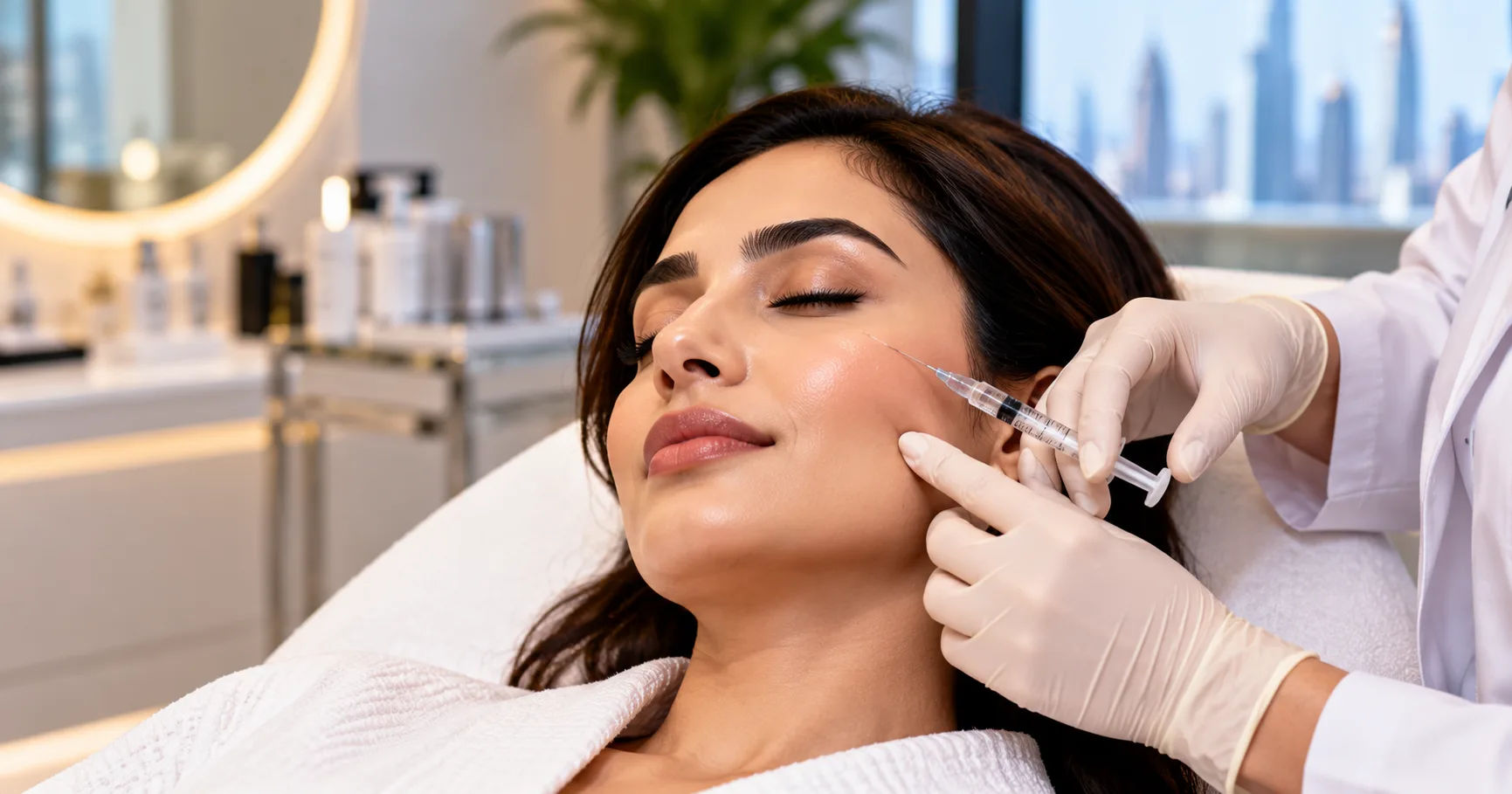 One treatment that has gained attention for its ability to improve skin texture is radiofrequency microneedling. It combines tiny needles with radiofrequency energy to stimulate the skin's natural repair process. This approach can encourage collagen production and help the skin appear firmer and smoother over time.
For people exploring RF microneedling in Karachi, understanding how the procedure works, what results to expect, and how many sessions may be needed is important before making a decision. The treatment can help minimize the appearance of enlarged pores, but results depend on the underlying cause of the concern, the individual's skin condition, and the treatment plan recommended by a qualified professional.
Choosing an appropriate treatment starts with understanding why pores look enlarged in the first place. With realistic expectations, suitable aftercare, and professional guidance, many people can achieve a smoother-looking complexion without relying entirely on makeup or temporary skincare products.
What Is RF Microneedling?
Radiofrequency microneedling is a minimally invasive cosmetic procedure that combines traditional microneedling with controlled radiofrequency energy. It is designed to improve several skin concerns, including uneven texture, fine lines, acne scars, and the appearance of enlarged pores.
Traditional microneedling uses very fine needles to create tiny, controlled channels in the skin. These micro-injuries stimulate the body's natural healing response, encouraging the production of collagen and elastin.
Radiofrequency microneedling adds another element to this process. The device delivers radiofrequency energy into targeted skin layers through the needles, producing controlled heat that encourages collagen remodeling.
Collagen is a structural protein that helps the skin maintain firmness and support. Elastin contributes to its flexibility. As people age, the production and organization of these proteins change, which can make the skin less firm and pores more noticeable.
By encouraging collagen remodeling, RF microneedling may improve the skin's overall texture and firmness. However, it does not permanently remove pores or guarantee that every person will experience the same results.
How Is It Different From Traditional Microneedling?
Traditional microneedling primarily relies on controlled mechanical stimulation to activate the skin's healing process.
RF microneedling combines this mechanical stimulation with heat delivered into the skin. Depending on the device and treatment settings, this additional energy may provide benefits for certain concerns involving skin texture, laxity, and acne scarring.
The best option depends on the individual's skin condition, treatment goals, medical history, and tolerance for downtime. A qualified practitioner can explain which method is appropriate.
Can RF Microneedling Reduce the Appearance of Pores?
Yes, RF microneedling can help reduce the appearance of enlarged pores in suitable candidates. The treatment works by stimulating collagen production and improving the support structure surrounding the pores.
However, it is important to understand what this means. Pores are natural openings that allow sebum and sweat to reach the skin's surface. They cannot be permanently eliminated, and their size is influenced by genetics, oil production, age, and skin characteristics.
When the surrounding skin becomes firmer and its texture improves, pores may appear smaller and less prominent. This change can make the complexion look smoother and more refined.
People seeking RF microneedling in Karachi should understand that the procedure focuses on improving the appearance of pores rather than physically closing them.
How Collagen Production Helps
Collagen provides structural support to the skin. When collagen levels decline or the surrounding tissue becomes less firm, pores can look wider or more noticeable.
Radiofrequency energy stimulates a controlled healing response in targeted skin layers. Over time, this response can encourage collagen remodeling.
As the skin gradually becomes firmer, the edges of enlarged pores may appear more supported. The result can be a smoother surface and more even-looking skin texture.
These changes develop gradually rather than immediately. Collagen remodeling continues over several weeks and months, so the full benefit may take time to become visible.
Can It Help With Oily Skin?
Excess oil can make pores appear larger because sebum accumulates inside them and combines with dead skin cells. People with oily skin often notice enlarged pores around the nose, forehead, and cheeks.
RF microneedling may improve the appearance of pores by addressing skin texture and firmness. However, it should not be considered a guaranteed solution for excessive oil production.
If oily skin is the main concern, a practitioner may recommend combining appropriate skincare with treatments that address clogged pores and excess sebum.
A gentle cleanser, non-comedogenic moisturizer, and suitable sunscreen can support the treatment plan. Depending on the skin type, a dermatologist may also recommend ingredients such as salicylic acid or a topical retinoid.
What Causes Enlarged Pores?
Understanding the cause of enlarged pores can help determine whether RF microneedling is likely to be beneficial.
Excess Sebum Production
Sebum is the natural oil produced by the sebaceous glands. It protects the skin, but excessive production can contribute to clogged pores and make their openings more noticeable.
People with oily or acne-prone skin may experience more visible pores, especially in the T-zone.
Aging and Reduced Skin Elasticity
As the skin ages, collagen and elastin gradually decline. Sun exposure can accelerate this process by damaging the skin's supporting structures.
When the surrounding tissue loses firmness, pores may become more visible. Treatments that encourage collagen remodeling may be particularly helpful when reduced elasticity contributes to the concern.
Genetics
Genetics influence pore size, skin thickness, and oil production. Some people naturally have more visible pores, even when they follow a consistent skincare routine.
Professional treatments may improve their appearance, but they cannot completely change inherited skin characteristics.
Clogged Pores and Acne
Oil, dead skin cells, and other debris can accumulate inside pores. This can make them look darker, wider, or more prominent.
Previous acne can also leave scars and uneven texture that make pores appear larger than they actually are.
In these situations, the best treatment depends on whether the primary concern is congestion, active acne, scarring, or reduced skin firmness.
Who Is a Suitable Candidate for RF Microneedling?
RF microneedling may be appropriate for adults who want to improve visible pores, uneven skin texture, mild skin laxity, or certain types of acne scarring.
A professional assessment is essential because enlarged pores can have several causes, and not every concern responds equally well to the same treatment.
People with generally healthy skin who have realistic expectations may be suitable candidates. Individuals with darker skin tones may also be candidates, but treatment settings and device selection require particular care because excessive heat or inflammation can cause unwanted pigmentation changes.
Before undergoing RF microneedling in Karachi, discuss your skin type, previous cosmetic procedures, current skincare products, medications, and medical history with a qualified dermatologist or appropriately trained medical professional.
When the Treatment May Not Be Appropriate
RF microneedling may need to be postponed or avoided in certain circumstances, including:
-
Active skin infections or open wounds in the treatment area.
-
Active inflammatory acne that requires treatment first.
-
Certain inflammatory skin conditions or a tendency to develop abnormal scars.
-
A history of significant pigmentation problems after skin injuries.
-
Pregnancy, when elective cosmetic procedures are generally deferred because safety evidence is limited.
-
Implanted electronic devices or other medical circumstances that require device-specific assessment.
Some medications and medical conditions can also affect healing. Always provide complete information during your consultation.
What Happens During an RF Microneedling Session?
Knowing what to expect can make the procedure less intimidating. Although details vary by clinic and device, the general process follows several steps.
1. Skin Assessment
The practitioner examines your skin, identifies the areas where pores are most visible, and evaluates related concerns such as acne scars, oiliness, or fine lines.
They may ask about previous treatments and skincare routines. This assessment helps determine whether RF microneedling is appropriate and which settings may be suitable.
2. Cleansing and Numbing
The skin is thoroughly cleansed to remove makeup, oil, and impurities. A topical numbing cream is commonly applied to reduce discomfort.
The cream needs time to work before the procedure begins. The duration depends on the product and the clinic's protocol.
3. Application of the Device
The practitioner moves the microneedling handpiece across the treatment area. Fine needles enter the skin to a controlled depth while radiofrequency energy is delivered.
You may feel pressure, warmth, or brief pinching sensations. The level of discomfort varies according to the device, treatment depth, energy settings, and individual sensitivity.
4. Post-Treatment Care
After the procedure, the skin may appear red and slightly swollen. The practitioner may apply a suitable soothing product and provide instructions for home care.
The immediate redness is not the final result. The more meaningful improvements in texture and pore appearance develop gradually as the skin heals and collagen remodeling occurs.
How Many Sessions Are Needed to Reduce Pores?
The number of sessions depends on pore visibility, skin condition, treatment intensity, and the individual's response.
Some people may notice an improvement after one session, while others need a series of treatments to achieve a more noticeable change. A practitioner may recommend approximately two to four sessions for certain skin concerns, often spaced several weeks apart, but this is only a general example rather than a universal schedule.
More severe acne scarring or significant textural irregularities may require a different approach.
When considering RF microneedling in Karachi, ask the clinic to explain the proposed number of sessions, the expected interval between treatments, and the reasons for recommending that schedule.
Avoid choosing a clinic solely because it promises dramatic results after one session. Treatment planning should be based on your skin's needs rather than a fixed sales package.
When Will You See Results?
Results usually develop in stages.
The First Few Days
Immediately after treatment, redness, warmth, mild swelling, and sensitivity are common. The skin may temporarily look smoother because of swelling, but this should not be confused with the longer-term outcome.
During this stage, gentle skincare and sun protection are important.
The First Few Weeks
As the skin heals, its texture may gradually begin to improve. Some people notice that their complexion looks more even or that pores are less obvious.
However, visible changes vary. One person may respond quickly, while another may need additional time.
After Several Weeks or Months
Collagen remodeling continues after the initial healing period. This means improvements may become more apparent over the following weeks and months.
The timing depends on the treatment settings, the condition being treated, and individual healing characteristics. Your practitioner should explain when your results are likely to be assessed and whether another session is appropriate.
What Are the Benefits of RF Microneedling for Pores?
RF microneedling offers several potential benefits for people concerned about visible pores.
Smoother Skin Texture
By stimulating collagen remodeling, the procedure may help improve uneven skin texture. This can make the surface appear more refined and pores less noticeable.
Improvement in Certain Acne Scars
Some acne scars create uneven depressions and shadows that make pores appear more prominent. RF microneedling may improve selected types of atrophic acne scars, although deep or tethered scars may require other treatments or a combination approach.
Firmer-Looking Skin
People whose pores appear enlarged partly because of reduced skin firmness may benefit from improvements in the supporting tissue.
Gradual, Natural-Looking Changes
The treatment encourages changes that develop as the skin heals. It does not create an instant, permanent alteration in pore size.
Results are usually most satisfying when expectations are realistic and the procedure is part of a suitable skincare plan.
Possible Side Effects and Risks
RF microneedling is a medical aesthetic procedure, not a risk-free facial. Side effects can range from temporary irritation to less common complications.
Common short-term effects include redness, swelling, tenderness, dryness, and mild pinpoint bleeding. Some people may experience temporary roughness or small crusts as the skin heals.
Less common but more significant complications can include infection, persistent pigmentation changes, scarring, and burns. Excessive energy, inappropriate needle depth, poor technique, or inadequate aftercare may increase certain risks.
In rare cases, radiofrequency procedures have been associated with unwanted changes in facial fat or contour. Appropriate device selection and careful treatment planning are therefore important, particularly in delicate areas.
Choose a qualified professional who uses a suitable device, follows infection-control procedures, and explains potential complications before treatment. Seek prompt medical advice if you develop worsening pain, increasing redness, pus, significant blistering, or other unexpected symptoms.
Aftercare Tips for Better Results
Aftercare helps protect the skin while it recovers. Your practitioner should provide instructions based on the device and the intensity of your treatment.
Use Gentle Skincare
For the first few days, use a mild cleanser and a simple moisturizer recommended by your practitioner. Avoid scrubbing, exfoliating brushes, and harsh skincare products while the skin remains irritated.
Retinoids, strong exfoliating acids, benzoyl peroxide, and other potentially irritating products may need to be paused temporarily. Follow the specific restart schedule provided by your clinician.
Protect Your Skin From Sunlight
Sun exposure can worsen irritation and increase the risk of pigmentation changes after a procedure.
Use a broad-spectrum sunscreen of SPF 30 or higher once your practitioner confirms it is appropriate for your healing skin. Wear a hat and seek shade when outdoors.
Sun protection is particularly important in Karachi, where sunlight and heat can be intense for much of the year.
Avoid Excessive Heat and Sweating Initially
Your practitioner may advise avoiding strenuous exercise, saunas, steam rooms, and very hot showers for a short period after treatment.
These activities can aggravate redness and irritation. Follow the recommended recovery period rather than returning immediately to your usual routine.
Keep the Skin Clean
Avoid picking at crusts or touching the treated area unnecessarily. Do not apply unapproved products to freshly treated skin.
If you develop symptoms that suggest infection or an unusual reaction, contact your healthcare professional rather than attempting to manage the problem with home remedies.
RF Microneedling Compared With Other Pore Treatments
RF microneedling is not the only option for improving visible pores. The best treatment depends on the underlying cause.
Topical retinoids: These may help improve cell turnover and manage clogged pores over time. They are often useful for people with acne-prone skin, although irritation is possible.
Salicylic acid: This ingredient helps exfoliate inside the pore and may reduce congestion. It can be useful for oily skin, but excessive use may cause dryness and irritation.
Chemical peels: Selected peels can improve surface texture, acne, and congestion. The type and strength must be chosen carefully to reduce the risk of pigmentation changes.
Laser treatments: Certain lasers target skin texture, acne scars, or signs of aging. Their suitability depends on the device, skin type, and treatment objective.
Traditional microneedling: This stimulates collagen through controlled needle injury without adding radiofrequency energy. It may be suitable for selected texture concerns.
A dermatologist can help determine whether RF microneedling, another treatment, or a combination plan is most appropriate. In some cases, improving clogged pores with skincare before considering a procedure is the more practical first step.
How to Choose a Clinic in Karachi
Choosing the right provider is just as important as choosing the treatment itself.
Look for a qualified dermatologist or appropriately trained medical professional with experience treating enlarged pores and different skin types. Ask about the device being used, its suitability for your concern, and the practitioner's experience with similar cases.
A reliable clinic should conduct a proper consultation, explain realistic outcomes, discuss side effects, and provide clear aftercare instructions. It should also explain the total cost, the likely number of sessions, and any follow-up appointments.
Before-and-after photographs can help you understand possible outcomes, but make sure they represent genuine cases with similar skin concerns. Results from another person do not guarantee the same response for you.
When researching RF microneedling in Karachi, be cautious of claims that pores will disappear completely or that the procedure guarantees permanent results. Such promises do not reflect the biological nature of pores or the variable response to cosmetic treatments.
Conclusion
RF microneedling can reduce the appearance of enlarged pores by encouraging collagen production, improving skin firmness, and refining uneven texture. It may be especially useful when pores look prominent because of reduced elasticity or acne-related textural changes. However, the treatment does not permanently eliminate pores, and the degree of improvement varies from person to person.
Anyone considering RF microneedling in Karachi should begin with a professional skin assessment. Understanding whether the main concern is excess oil, clogged pores, aging, or acne scarring makes it easier to choose an appropriate treatment plan. Some people may benefit from RF microneedling alone, while others may achieve better results by combining professional treatment with a suitable skincare routine.
Patience is also important. Although the skin may look temporarily different immediately after treatment, meaningful improvements develop gradually as healing and collagen remodeling continue. Multiple sessions may be recommended, and consistent aftercare can help protect the results.
Selecting a qualified practitioner, discussing possible side effects, and following individualized aftercare instructions can reduce avoidable risks. Avoid clinics that promise pore removal or guaranteed dramatic changes after a single session.
Ultimately, RF microneedling can be a useful option for achieving smoother-looking skin when it is recommended for the right reasons. With realistic expectations, professional guidance, and regular sun protection, individuals can make informed decisions about improving pore appearance and maintaining healthier-looking skin over time.