
Medical equipment is often needed for a limited period, especially when someone is recovering from surgery, managing a temporary illness, or receiving treatment at home. Buying expensive medical devices for a few weeks or months may not be practical. Renting equipment provides an alternative that allows patients and families to access essential healthcare products without making a large financial investment. One common question families ask is whether Medical Equipment Rental In Lahore can be arranged for short-term needs. The answer is yes. Many types of medical equipment can be rented for a few days, weeks, or months, depending on availability, rental policies, and individual healthcare requirements.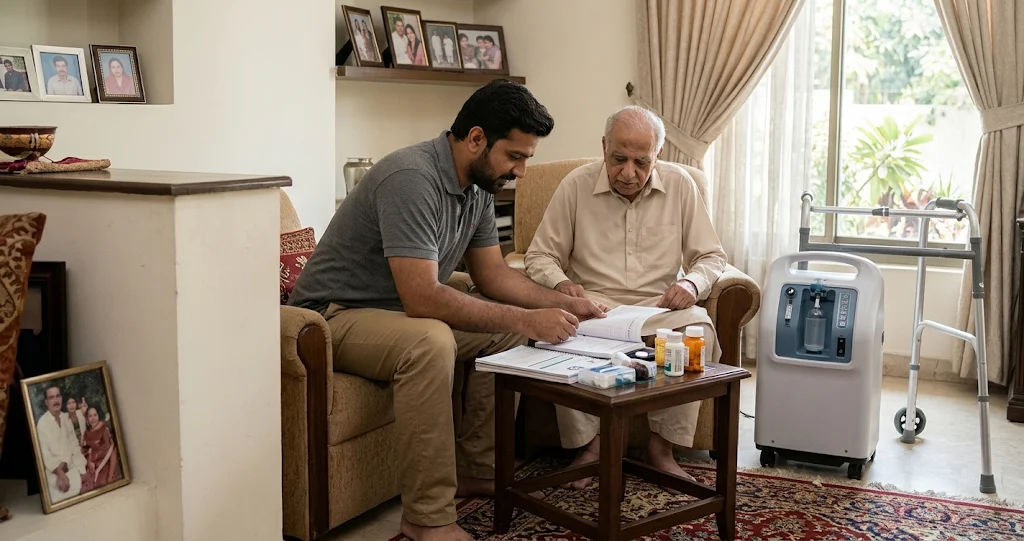
Short-term rental services can make home healthcare more convenient and affordable. They allow families to arrange suitable equipment when it is needed and return it when the patient no longer requires it. However, understanding rental periods, delivery arrangements, equipment conditions, costs, and support services is important before choosing a provider.
This comprehensive guide explains how short-term medical equipment rentals work, which products are commonly available, how rental durations are determined, and what families should consider when arranging equipment in Lahore.
Short-Term Medical Equipment Rental
Medical Equipment Rental In Lahore medical equipment rental refers to borrowing healthcare devices for a limited period instead of purchasing them permanently. The rental arrangement usually involves paying an agreed amount for using a particular device over a specific duration.
This option is particularly useful for patients whose medical needs are expected to change as their health improves.
For example, someone recovering from a knee replacement operation might need a wheelchair or walker for several weeks. Purchasing both products may be unnecessary if the patient expects to walk independently after recovery.
Similarly, a patient recovering from a serious illness may temporarily require an adjustable hospital bed, oxygen concentrator, or other supportive equipment.
How Short-Term Rentals Work
The rental process generally begins by identifying the equipment required for the patient's condition.
Families can contact a rental provider, explain their requirements, and ask about available products. The provider may request information about the intended use, rental duration, and delivery location.
Once the appropriate equipment is selected, the customer receives information about rental charges, deposits, delivery fees, and other conditions.
After agreeing to the terms, the equipment is delivered or collected according to the provider's arrangements.
When the rental period ends, the equipment can be returned. Some providers also allow customers to extend their rental agreements if the patient still requires the device.
Why Short-Term Rentals Are Popular
Short-term rentals are becoming an attractive option for families managing healthcare at home.
The main advantage is flexibility. Patients do not need to purchase expensive equipment that might only be useful temporarily.
Other benefits include:
-
Lower initial expenses compared with purchasing equipment.
-
Access to different types of medical devices.
-
Reduced responsibility for long-term storage.
-
Convenient arrangements for temporary recovery.
-
Opportunities to change equipment when medical needs change.
-
Less financial commitment for families.
These advantages make renting a practical option for many home healthcare situations.
Which Medical Equipment Can Be Rented Short Term?
The availability of equipment depends on individual providers. However, several common healthcare products are suitable for short-term rental arrangements.
Understanding the available options can help families identify equipment that supports the patient's comfort, mobility, and recovery.
Hospital Beds
Hospital beds are commonly required by patients who have difficulty getting in and out of ordinary beds.
They may be particularly useful after surgery, during extended recovery, or when someone needs assistance with daily activities.
Adjustable hospital beds allow caregivers to change the patient's sleeping and sitting positions. Some models provide adjustable head and leg sections, while others include additional electric controls.
Families can consider renting these beds for several weeks or months instead of purchasing them.
Before arranging a rental, check the bed's adjustment functions, weight capacity, mattress condition, side rails, and electrical safety.
Wheelchairs
atient lifting equipment helps caregivers transfer individuals who cannot move independently.
These devices may be required for patients recovering from major surgery or experiencing significant mobility limitations.
Renting a patient lift for a few weeks can reduce the physical demands placed on caregivers.
However, caregivers must receive proper instructions before operating lifting equipment. Incorrect use can cause injuries to both patients and caregivers.
When Is Short-Term Medical Equipment Rental Necessary?
There are several situations in which temporary medical equipment can make home healthcare easier.
The rental period depends on the patient's recovery, medical recommendations, and personal circumstances.
Recovery After Surgery
Surgical recovery is one of the most common reasons families arrange temporary medical equipment.
Patients undergoing orthopedic operations, abdominal surgery, or other major procedures may need additional support after leaving the hospital.
A hospital bed can improve positioning, while a wheelchair or walker can support mobility during the initial recovery period.
The required equipment may change as the patient becomes stronger.
Instead of purchasing every device, families can rent suitable products and return them as recovery progresses.
Temporary Injuries
Accidents and injuries can create sudden mobility challenges.
A person with a fractured leg, injured back, or damaged joint may temporarily need a wheelchair, walker, or other supportive device.
Short-term rentals make it possible to arrange these products without committing to permanent ownership.
The rental period can also be adjusted if the injury takes longer to heal than expected.
Elderly Patient Care
Older adults sometimes need temporary assistance after hospital treatment or an unexpected decline in mobility.
An adjustable hospital bed, wheelchair, or patient transfer device can make daily care more manageable.
Families may rent these products while assessing the patient's long-term needs.
If the patient eventually becomes more independent, the equipment can be returned.
Home-Based Medical Treatment
Some patients receive medical treatment at home rather than staying in a hospital.
Depending on their condition, they may require monitoring devices, respiratory equipment, or mobility assistance.
Short-term rental arrangements can provide access to these products during a particular treatment period.
The patient's doctor should determine which equipment is appropriate and explain how it should be used.
How Long Can You Rent Medical Equipment in Lahore?
The rental duration varies between providers and equipment categories.
Some businesses offer flexible arrangements, while others follow fixed rental packages.
A customer should never assume that every provider offers the same rental periods.
Daily Rentals
Daily rentals are useful when equipment is required for only a few days.
For example, a patient might need a wheelchair temporarily while attending medical appointments or recovering from a minor procedure.
Daily arrangements can also help families manage unexpected healthcare situations.
However, daily rates may be higher when calculated on a per-day basis than longer rental packages.
Weekly Rentals
Weekly rentals are suitable when a patient requires equipment for several days or a few weeks.
This arrangement can be useful during early surgical recovery or temporary mobility problems.
Families should ask whether the provider offers a weekly package or calculates charges according to individual days.
Monthly Rentals
Monthly rentals are often practical for patients who need equipment for an extended recovery period.
Hospital beds, oxygen concentrators, and patient lifting equipment may be required for several weeks or months.
Monthly arrangements can make expenses easier to plan because customers know the agreed rental amount for a defined period.
Some providers may also offer discounted rates for longer commitments.
Flexible Rental Extensions
Recovery does not always follow an exact schedule.
A patient who initially expects to use a wheelchair for two weeks might need it for another month.
Therefore, it is important to choose a provider that allows rental extensions.
Before signing an agreement, ask how extensions are calculated and whether advance notice is necessary.
What Makes Medical Equipment Rental In Lahore Affordable for Short-Term Needs?
Affordability is one of the main reasons people consider renting healthcare products.
Buying medical equipment can involve a considerable upfront expense, especially when several devices are required simultaneously.
Medical Equipment Rental In Lahore can help families manage these costs by spreading payments across the period during which equipment is actually needed.
Avoiding Large Purchase Expenses
Purchasing a hospital bed, wheelchair, or oxygen concentrator may require a substantial initial investment.
For patients who need equipment temporarily, this expense may not be financially sensible.
Renting provides access without requiring full ownership costs.
Families can use their available resources for medication, consultations, transportation, and other recovery-related expenses.
Paying According to Usage
Rental arrangements allow customers to pay for an agreed period rather than purchasing equipment permanently.
For example, someone who needs a wheelchair for one month can arrange a monthly rental instead of buying a product that might remain unused afterward.
This approach can be particularly helpful when the patient's recovery timeline is reasonably predictable.
Reducing Storage Problems
Medical equipment can occupy considerable space.
Hospital beds, wheelchairs, and lifting devices are not always easy to store in ordinary homes.
Once the patient recovers, families may struggle to find another use for these products.
Returning rented equipment eliminates the need for long-term storage.
Important Factors to Consider Before Renting
Although short-term rentals offer several advantages, selecting suitable equipment requires careful planning.
Families should evaluate more than the advertised rental price.
Equipment Quality and Condition
The equipment should be clean, functional, and properly maintained.
Ask the provider about inspection procedures before delivery.
Check important components such as electrical connections, wheels, brakes, adjustment controls, and safety features.
If the equipment appears damaged or unstable, request an appropriate replacement.
Hygiene and Disinfection
Medical devices may come into contact with patients during treatment and daily care.
Proper cleaning and disinfection are therefore essential.
Ask whether the provider follows suitable hygiene procedures between rentals.
For accessories that come into direct contact with patients, such as masks, tubing, and certain cushions, confirm whether disposable or new components are provided.
Delivery and Installation
Large equipment can be difficult to transport.
Hospital beds and patient lifting devices may require professional delivery and assembly.
Before confirming the rental, ask whether delivery, installation, and collection are included in the quoted price.
Also check whether the delivery team can access the patient's room, especially in buildings with narrow staircases or limited lifts.
Maintenance and Technical Support
Medical equipment must remain functional throughout the rental period.
Ask what happens if a device stops working or requires maintenance.
A dependable provider should explain the process for reporting technical problems and arranging assistance.
For equipment that supports essential medical treatment, families should also discuss backup arrangements with the healthcare team.
Rental Agreement
Always understand the rental terms before accepting the equipment.
The agreement should clearly explain:
-
Rental duration and payment schedule.
-
Security deposit requirements.
-
Delivery and collection charges.
-
Equipment replacement conditions.
-
Responsibility for accidental damage.
-
Late return charges.
-
Rental extension procedures.
-
Maintenance and technical support arrangements.
Clear terms help prevent misunderstandings during the rental period.
How to Choose the Right Rental Provider in Lahore
Choosing a reliable provider is important because medical equipment directly affects patient comfort and safety.
Families should compare available services rather than selecting a business based only on price.
Check Product Availability
First, confirm that the required equipment is available.
Not every provider stocks every type of medical device.
If a patient needs an adjustable hospital bed, ask about the available models and their features.
If oxygen equipment is required, confirm the capacity recommended by the healthcare professional.
Compare Rental Packages
Contact multiple providers and request clear quotations.
Compare daily, weekly, and monthly charges.
Also consider additional expenses, including deposits, delivery, installation, accessories, and collection.
A slightly higher rental fee may offer better value if it includes professional installation and reliable technical support.
Ask About Customer Assistance
Good customer service can make the rental experience easier.
Families may need help understanding operating instructions, extending rental periods, or reporting equipment problems.
Choose a provider that communicates clearly and explains its procedures.
Confirm Delivery Coverage
Lahore is a large city, and delivery arrangements can vary between service providers.
Ask whether the provider delivers to your particular area.
Confirm the expected delivery time and whether installation is available at the patient's home.
Do not assume that delivery is included simply because a provider advertises equipment rentals.
Can You Extend a Short-Term Rental?
Yes, rental extensions may be possible, depending on the provider's policies and equipment availability.
This flexibility is particularly important because medical recovery can take longer than expected.
When an Extension May Be Needed
A patient may need additional rental time because of delayed healing, reduced mobility, complications, or changes in the treatment plan.
For example, someone recovering from a serious leg injury might initially require a wheelchair for four weeks.
If walking remains difficult after that period, continuing the rental may be necessary.
How to Arrange an Extension
Contact the rental provider before the existing agreement expires.
Explain that the equipment is still required and ask about the additional charges.
Some providers may offer another weekly or monthly package.
Others may require a revised agreement.
It is advisable to confirm the extension in writing so that both parties understand the updated rental period and payment terms.
Tips for Managing Rented Medical Equipment at Home
Proper equipment management helps maintain safety and supports a comfortable home healthcare environment.
Even when equipment is rented for a short period, families should follow suitable care procedures.
Follow Professional Instructions
Always follow the instructions provided by the healthcare professional and equipment supplier.
Do not change medical settings or operating procedures without appropriate guidance.
This is particularly important for oxygen concentrators, hospital beds, and electrical medical devices.
Keep Equipment Clean
Clean equipment according to the manufacturer's instructions.
Avoid using harsh chemicals that could damage electrical components or medical surfaces.
Accessories should be replaced or disinfected as recommended.
Create Enough Space
Position medical equipment where caregivers can access it easily.
Keep pathways clear to prevent falls and accidental damage.
For hospital beds, make sure there is enough space for caregivers to assist the patient safely.
Check Equipment Regularly
Inspect the device for visible damage or unusual performance.
For wheelchairs, check brakes, wheels, and footrests.
For hospital beds, check adjustment controls and electrical connections.
Report any problems to the rental provider instead of attempting complicated repairs independently.
Common Mistakes to Avoid When Renting Medical Equipment
Families can avoid unnecessary expenses and complications by understanding common rental mistakes.
Choosing Equipment Without Medical Advice
Not every device is suitable for every patient.
Selecting equipment without understanding the patient's requirements may create discomfort or safety problems.
Ask the treating healthcare professional which product and features are appropriate.
Ignoring Additional Charges
A low advertised rental price does not always represent the total cost.
Delivery, installation, deposits, accessories, and collection may involve additional expenses.
Request a complete quotation before making a decision.
Selecting the Wrong Rental Duration
Renting equipment for too few days may result in repeated extensions.
Choosing an unnecessarily long period can increase expenses.
Discuss the expected recovery timeline with the healthcare professional and select a practical rental period.
Failing to Check Equipment Before Acceptance
Never accept equipment without checking its basic condition.
Make sure the device operates correctly and includes the necessary accessories.
Ask the provider to demonstrate its functions when appropriate.
Conclusion
Short-term medical equipment rental is a practical option for patients who need temporary healthcare support at home. Whether someone is recovering from surgery, dealing with an injury, managing a temporary mobility problem, or receiving home-based treatment, renting can provide access to essential medical devices without requiring a permanent purchase.
Medical Equipment Rental In Lahore can be particularly helpful when families need hospital beds, wheelchairs, oxygen concentrators, nebulizers, or patient lifting equipment for a limited period. Depending on the provider, rental arrangements may be available on daily, weekly, or monthly terms. Some businesses also allow customers to extend their agreements when recovery takes longer than expected.
However, choosing the right rental service requires more than comparing prices. Families should consider equipment quality, hygiene, delivery, installation, maintenance, technical support, and rental conditions. They should also confirm whether the provider can supply the required equipment within the expected timeframe.
It is equally important to follow professional medical advice when selecting and using healthcare devices. Equipment such as oxygen concentrators and patient lifting systems requires appropriate instructions to support safe operation.
Before confirming a rental, request a complete quotation, understand the agreement, inspect the equipment, and clarify the return procedure. These simple steps can help prevent unexpected expenses and make home healthcare more manageable.
Ultimately, short-term rental arrangements offer flexibility, convenience, and financial control. By selecting suitable equipment and a dependable provider, families can support a patient's temporary healthcare needs while avoiding the responsibility of purchasing and storing products that may no longer be necessary after recovery.