
Starting a company in Pakistan involves more than choosing a business name and submitting an application. Entrepreneurs must understand legal requirements, select an appropriate business structure, prepare incorporation documents, and comply with the rules established by the Securities and Exchange Commission of Pakistan (SECP). Professional legal assistance can make this process easier and help prevent mistakes that could create difficulties later.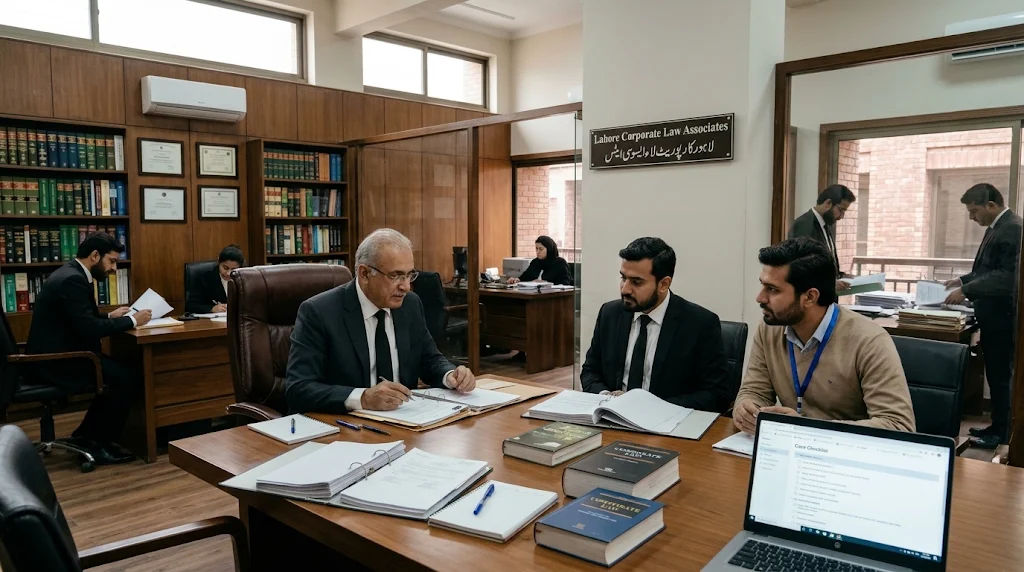
A Corporate Lawyer Pakistan can play an important role in company registration by advising business owners, preparing legal documents, explaining regulatory requirements, and assisting with the incorporation process. Whether someone wants to establish a private limited company, a single-member company, or a public limited company, a corporate lawyer can help them understand the legal responsibilities associated with each structure.
However, company registration is not simply a matter of hiring a lawyer. The founders must provide accurate information, make important business decisions, and fulfil the applicable legal requirements. Understanding how legal professionals support this process helps entrepreneurs establish their businesses with greater confidence.
Company Registration in Pakistan
Company registration is the legal process through which a business becomes a recognised corporate entity under Pakistani law. It gives the organisation a separate legal identity and establishes its responsibilities, rights, and obligations.
The main authority responsible for company incorporation and corporate regulation in Pakistan is the Securities and Exchange Commission of Pakistan. The SECP administers company registration under the Companies Act, 2017, along with relevant rules and regulations.
Registering a company can provide several advantages. A properly incorporated company can enter into contracts, own property in its own name, maintain a corporate bank account subject to banking requirements, and conduct business as a separate legal entity.
It can also help establish credibility with customers, suppliers, investors, and financial institutions.
Why Is Company Registration Important?
Operating through a registered company offers a more formal business structure than conducting activities as an individual.
Some important benefits include:
-
Separate legal identity: The company is legally distinct from its shareholders.
-
Limited liability: Shareholders generally have limited liability, subject to applicable legal exceptions and personal guarantees.
-
Business credibility: Registration can increase confidence among commercial partners.
-
Ownership structure: Shares provide a formal way to establish ownership interests.
-
Business continuity: A company can generally continue operating despite changes in its shareholders or directors.
-
Investment opportunities: A corporate structure can make it easier to organise investment and share ownership.
These benefits make incorporation an attractive option for entrepreneurs planning to establish long-term businesses.
Can a Corporate Lawyer Pakistan Register a Company?
Yes. A Corporate Lawyer Pakistan can assist entrepreneurs with registering companies and handling the legal work involved in incorporation.
A corporate lawyer understands company law, regulatory requirements, corporate governance, and the documentation needed to establish a business. This knowledge allows the lawyer to guide founders through the registration process.
However, there is an important distinction between providing legal assistance and exercising the statutory authority to approve incorporation.
The SECP is responsible for processing company incorporation applications and issuing the relevant certificate. A lawyer cannot independently declare an unregistered business to be an incorporated company.
Instead, the lawyer can prepare and submit applications through the applicable SECP procedures when properly authorised and can communicate with the relevant authorities where permitted.
What Does a Corporate Lawyer Do During Registration?
A corporate lawyer may perform several important tasks, including:
-
Advising founders about suitable company structures.
-
Checking proposed company names against applicable requirements.
-
Preparing incorporation information and constitutional documents.
-
Helping identify shareholders and directors.
-
Reviewing share capital and ownership arrangements.
-
Assisting with the SECP application.
-
Responding to legal or documentation objections.
-
Advising on post-incorporation compliance.
The lawyer's involvement can reduce administrative difficulties and help ensure that the company is established on a legally appropriate foundation.
Does the Lawyer Issue the Incorporation Certificate?
No. The incorporation certificate is issued by the SECP after the application has been examined and approved.
A lawyer may help prepare and submit the application, but the authority to approve incorporation belongs to the regulator.
This distinction is important because business owners should understand which responsibilities belong to their legal adviser and which belong to the government authority.
Types of Companies a Corporate Lawyer Can Help Register
Pakistan's company law recognises different business structures. Choosing the right one is important because each structure has different ownership, management, and compliance requirements.
A corporate lawyer can explain these options and help business owners select a suitable structure.
1. Single-Member Company
A single-member company (SMC) is designed for an individual who wants to establish a company with one member.
It allows an entrepreneur to operate through a separate legal entity without needing another shareholder. This structure can be suitable for consultants, independent business owners, small enterprises, and individuals planning to expand their commercial activities.
A Corporate Lawyer Pakistan can explain the requirements for establishing an SMC, including the appointment of a nominee where required, preparation of incorporation information, and submission of the application to the SECP.
The lawyer can also explain the responsibilities of the sole member and the company's management.
2. Private Limited Company
A private limited company is a common choice for businesses established by two or more people.
It allows founders to divide ownership through shares and establish a formal management structure. It can be suitable for family businesses, technology companies, trading organisations, service providers, and growing enterprises.
A corporate lawyer can help founders decide:
-
How many shares should be issued.
-
How ownership should be divided.
-
Who should become a director.
-
How important company decisions should be made.
-
What responsibilities shareholders will have.
-
How disputes between business partners can be addressed.
Proper planning at the incorporation stage can prevent misunderstandings between shareholders in the future.
3. Public Limited Company
A public limited company is generally suitable for larger business organisations that require a more extensive corporate structure.
Its formation and operation involve additional legal and regulatory considerations. Depending on its activities and whether it intends to offer securities to the public, further regulatory requirements may apply.
A Corporate Lawyer Pakistan can explain the differences between private and public companies and help promoters understand the relevant legal requirements.
The lawyer can also assist with constitutional documents, corporate governance arrangements, and regulatory approvals where necessary.
Step-by-Step Company Registration Process in Pakistan
Company registration involves several stages. Although the SECP provides online incorporation facilities, applicants must still provide accurate information and complete the necessary formalities.
A corporate lawyer can guide business owners through each stage.
Step 1: Understanding the Business Structure
The first step is deciding what type of company the founders want to establish.
This decision should be based on the number of owners, business activities, investment requirements, management arrangements, and future expansion plans.
For example, an individual starting a small consultancy may consider a single-member company. Two business partners planning to establish a technology company may prefer a private limited company.
A Corporate Lawyer Pakistan can review these circumstances and explain the legal consequences of each option.
Choosing the correct structure early can reduce the need for complicated changes later.
Step 2: Selecting a Suitable Company Name
The next step is choosing a company name.
The proposed name must satisfy the requirements of the Companies Act, 2017, and applicable regulations. It should not be identical or confusingly similar to an existing company name. It must also avoid prohibited, misleading, inappropriate, or undesirable wording.
Business owners should select a name that reflects their organisation's identity and intended activities.
A lawyer can review proposed names and identify potential legal concerns before an application is submitted.
The SECP provides a name reservation facility through its online system. Applicants can also use the applicable physical filing procedure.
Step 3: Preparing Incorporation Documents
Documentation is one of the most important parts of company registration.
The information provided must accurately describe the company, its owners, its management, and its proposed activities.
Depending on the type of company and applicable requirements, documents and information may include:
-
Details of subscribers and proposed shareholders.
-
Information about directors.
-
Valid CNIC, NICOP, or passport details, as applicable.
-
Memorandum of Association.
-
Articles of Association, where required.
-
Nominee information for a single-member company.
-
Authorisations and other supporting documents, where required.
A Corporate Lawyer Pakistan can prepare and review the relevant documents to make sure that the company's legal arrangements reflect the founders' intentions.
Step 4: Drafting the Memorandum of Association
The Memorandum of Association is an important constitutional document.
It sets out essential information about the company, including its name and the nature of its intended business activities.
The description of business activities should be carefully considered. An inaccurate or unsuitable description may create problems when the company seeks to undertake regulated activities or obtain relevant permissions.
A lawyer can help prepare suitable wording and identify whether the proposed activities require additional approvals.
Step 5: Preparing the Articles of Association
The Articles of Association deal with the internal rules governing the company's operations.
They can address matters such as:
-
Share transfers.
-
Shareholder meetings.
-
Voting procedures.
-
Directors' responsibilities.
-
Management arrangements.
-
Corporate decision-making.
-
Procedures for handling certain internal disputes.
A Corporate Lawyer Pakistan can help prepare or review these provisions according to the company's structure and applicable legal requirements.
Clear articles can help shareholders understand their rights and responsibilities from the beginning.
Step 6: Submitting the Application to SECP
After preparing the necessary information and documents, the application can be submitted through the relevant SECP incorporation system.
The SECP provides an online process through which applicants can submit company name reservation and incorporation applications.
The promoters or authorised persons must complete the required information, provide supporting documents, digitally sign the relevant forms using the prescribed process, and pay the applicable fee.
An authorised intermediary may also be appointed where permitted under SECP procedures.
A lawyer assisting with the application should ensure that the promoters understand and approve the information being submitted on their behalf.
Step 7: Responding to SECP Objections
Sometimes, the SECP may identify missing information, incorrect documents, or other issues requiring clarification.
This does not necessarily mean that the company cannot be registered.
The applicant may need to correct information, provide additional documents, or respond to the registrar's observations.
A Corporate Lawyer Pakistan can review the objections, explain their legal meaning, and help prepare an appropriate response.
Careful attention at this stage can prevent unnecessary delays.
Step 8: Receiving the Certificate of Incorporation
Once the SECP examines the application and approves it, the company receives its Certificate of Incorporation.
This certificate confirms that the company has been legally incorporated.
The founders should keep the certificate and other incorporation records in a secure place because they may be required for banking, taxation, contracts, regulatory matters, and future corporate filings.
The SECP's current incorporation guidance describes online and physical filing options and explains the information required from proposed company members and directors.
SECP+2
How a Corporate Lawyer Helps Beyond Registration
Company incorporation is only the beginning of running a legally compliant business.
Once a company is registered, it must follow applicable corporate laws, maintain records, and fulfil relevant reporting obligations.
A Corporate Lawyer Pakistan can continue providing legal assistance after incorporation to help the company operate responsibly.
Corporate Governance
Corporate governance refers to the systems and procedures used to manage and control a company.
It helps establish clear responsibilities between shareholders, directors, and management.
A lawyer can assist with:
-
Preparing board resolutions.
-
Reviewing company policies.
-
Advising on directors' duties.
-
Preparing shareholder agreements.
-
Maintaining appropriate corporate records.
-
Explaining meeting and decision-making procedures.
Good corporate governance supports transparency and reduces the risk of internal disagreements.
Shareholder Agreements
When two or more people establish a company, they should understand how ownership and decision-making will work.
A shareholder agreement can establish arrangements for voting, share transfers, business responsibilities, and dispute resolution.
For example, two founders may contribute different amounts of capital or perform different management roles. A written agreement can clarify their respective rights and responsibilities.
A Corporate Lawyer Pakistan can draft or review such agreements to make sure that they are consistent with applicable law and the company's constitutional documents.
Contract Preparation and Review
Businesses regularly enter into agreements with customers, suppliers, employees, distributors, and service providers.
Poorly drafted contracts can create confusion about payment, delivery, responsibilities, confidentiality, and termination.
A corporate lawyer can prepare and review commercial agreements to protect the company's legitimate interests.
This support is especially valuable for businesses dealing with multiple suppliers, commercial partners, or international customers.
Tax and Regulatory Compliance
Company registration does not automatically complete every tax or regulatory requirement.
Depending on the company's business activities, it may need to address matters involving the Federal Board of Revenue, provincial revenue authorities, local authorities, or specialised regulators.
A Corporate Lawyer Pakistan can explain relevant legal obligations and coordinate with qualified tax professionals where specialised tax advice is required.
Companies involved in regulated industries may also need specific licences, permissions, or approvals before starting certain activities.
Employment and Workplace Documentation
Companies hiring employees must understand applicable employment laws and workplace responsibilities.
Legal assistance may include preparing employment agreements, reviewing workplace policies, and advising on confidentiality and intellectual property provisions.
A lawyer can also help businesses understand their obligations regarding employee rights and the termination of employment relationships.
Proper documentation creates clarity for both employers and employees.
What Documents Should Business Owners Prepare?
Before meeting a corporate lawyer, founders should collect basic information about their proposed business.
Preparing this information can make the consultation more productive.
Important details may include:
1. Personal identification: Valid identification documents for proposed subscribers, shareholders, directors, and other relevant individuals.
2. Proposed company names: Several suitable names in case the preferred option is unavailable or unsuitable.
3. Business description: A clear explanation of the products or services the company intends to provide.
4. Ownership information: Details about who will own shares and how ownership will be divided.
5. Director information: Details of the proposed directors and their intended responsibilities.
6. Registered office information: The proposed registered office address and supporting details required by the applicable procedure.
7. Capital information: The proposed share capital and ownership arrangements.
A Corporate Lawyer Pakistan can review this information and identify anything else that may be necessary for the specific company.
How to Choose the Right Corporate Lawyer in Pakistan
Selecting a suitable lawyer is an important decision because incorporation documents can affect the company's future operations.
Business owners should consider several factors before appointing legal representation.
Check Professional Qualifications
Make sure the lawyer has the appropriate legal qualifications and a valid entitlement to practise.
Business owners can also ask about relevant professional experience and knowledge of Pakistani company law.
Consider Corporate Law Experience
Not every lawyer specialises in company registration.
Some legal professionals focus on family disputes, criminal matters, property issues, or other areas.
Entrepreneurs should look for someone familiar with corporate incorporation, shareholder arrangements, regulatory filings, and business contracts.
Ask About the Registration Process
A professional lawyer should be able to explain the registration process in understandable language.
They should clarify what documents are required, which steps involve the SECP, and what responsibilities remain with the business owners.
Understand Professional Fees
Legal fees may vary according to the complexity of the company, the number of shareholders, documentation requirements, and additional services.
Before starting, request a clear explanation of professional charges.
Ask whether the quoted amount includes document preparation, application assistance, responses to objections, and post-registration advice.
Evaluate Communication
Good communication is essential when establishing a company.
A suitable lawyer should provide clear updates, explain important decisions, and inform clients about potential legal concerns.
Founders should avoid relying on unrealistic promises about guaranteed approval or registration times.
Common Mistakes to Avoid During Company Registration
Although the registration process is relatively straightforward when properly organised, mistakes can create unnecessary complications.
Business owners should understand the following common problems.
Choosing an Unsuitable Company Name
Some entrepreneurs select names without checking whether they meet SECP requirements.
A proposed name may be rejected because it resembles an existing company or contains restricted wording.
A Corporate Lawyer Pakistan can review the proposed name before submission and help identify alternative options.
Providing Incorrect Information
Incorrect shareholder details, identification information, or business descriptions can result in objections.
All information should be checked carefully before submitting the application.
Ignoring Shareholder Responsibilities
Business partners sometimes focus entirely on establishing the company without discussing their individual responsibilities.
This can create disagreements about management, investment, and decision-making.
Written agreements can help prevent these problems.
Overlooking Regulatory Requirements
Certain business activities require additional licences or permissions.
For example, financial services, insurance, and some healthcare-related activities may involve specialised regulatory requirements.
Entrepreneurs should identify these obligations before beginning operations.
Neglecting Post-Registration Compliance
Receiving an incorporation certificate does not mean that a company can ignore its legal responsibilities.
Companies must maintain appropriate records and fulfil applicable annual filing, financial reporting, tax, and other compliance obligations.
A Corporate Lawyer Pakistan can help business owners understand these responsibilities and establish suitable compliance procedures.
How Much Time Does Company Registration Take?
The time required to register a company depends on several factors.
These include the accuracy of the application, the nature of the proposed business, the availability of supporting documents, payment confirmation, and any additional regulatory approvals.
Straightforward applications may be processed relatively quickly.
However, applications involving specialised activities, foreign participants, complicated ownership structures, or missing documentation may require additional attention.
The SECP publishes processing guidance for company incorporation. Its current procedures also provide online facilities for name reservation and incorporation.
Business owners should remember that processing targets are not guarantees of approval.
A Corporate Lawyer Pakistan can help prepare the application properly and address issues that may affect its progress.
SECP+1
Can Foreign Investors Register Companies in Pakistan Through a Lawyer?
Foreign investors may establish companies in Pakistan, subject to applicable company law, investment rules, sector-specific restrictions, and regulatory requirements.
A corporate lawyer can help foreign investors understand the legal framework before they commit funds.
The assistance may include reviewing ownership arrangements, explaining director and shareholder requirements, preparing incorporation documents, and identifying any additional permissions.
Foreign participants may need to provide valid passport information and other supporting documents.
Additional checks or undertakings may also apply depending on the circumstances.
A Corporate Lawyer Pakistan can help coordinate the legal documentation and explain the requirements that apply to foreign subscribers or directors.
However, legal advice should be obtained for the particular investment because not every business activity has identical ownership or approval requirements.
Why Professional Legal Assistance Is Valuable for Startups
Startups often operate with limited resources and need to make important decisions carefully.
Although founders may be able to submit incorporation applications themselves, professional legal assistance can provide additional protection against avoidable mistakes.
A lawyer can help founders establish a suitable ownership structure, prepare agreements, and understand their responsibilities.
For example, a technology startup may have two founders who contribute different skills and financial resources. Without clear documentation, disagreements may arise about ownership, intellectual property, and management authority.
A Corporate Lawyer Pakistan can help establish appropriate arrangements before these disagreements become serious problems.
Legal guidance can also help startups prepare for future investment opportunities.
Potential investors may examine company records, ownership documents, contracts, and regulatory compliance before investing.
Maintaining accurate documentation from the beginning can make this process easier.
What Happens After a Company Is Registered?
Once incorporation is complete, business owners should take several additional steps to organise their operations.
Obtain Relevant Tax Registration
Companies should understand their applicable tax registration and filing obligations.
Depending on the circumstances, registration and compliance with the Federal Board of Revenue and other relevant authorities may be necessary.
Open a Corporate Bank Account
A registered company may approach a bank to open a corporate account.
The bank will conduct its own verification and request the required incorporation, identification, ownership, and other documents.
Maintain Accounting Records
Proper accounting records help companies monitor income, expenses, assets, liabilities, and financial performance.
They are also important for financial reporting and tax compliance.
Maintain Statutory Records
Companies should maintain relevant registers, resolutions, meeting records, and other corporate documents as required by law.
Complete Annual and Other Filings
Companies must comply with applicable SECP filing requirements and other regulatory responsibilities.
The precise requirements depend on the company's legal category, circumstances, and applicable exemptions.
A Corporate Lawyer Pakistan can help founders understand these obligations and organise a suitable compliance calendar.
Conclusion
Company registration is an important step for anyone planning to establish a formal business in Pakistan. It provides an organisation with a separate legal identity and creates a foundation for structured ownership, management, investment, and commercial activities.
A Corporate Lawyer Pakistan can make this process more organised by helping entrepreneurs understand company structures, select suitable names, prepare incorporation documents, review ownership arrangements, and complete the relevant legal formalities. Although the SECP remains the authority responsible for approving company incorporation, a lawyer can provide valuable assistance throughout the application process.
Professional legal support is also useful after registration. Businesses must understand their responsibilities regarding corporate governance, shareholder rights, taxation, employment documentation, financial records, and regulatory compliance. Addressing these matters early can prevent unnecessary disputes and administrative problems.
Entrepreneurs should choose a qualified legal professional with relevant corporate experience, transparent fees, and good communication skills. They should also make sure that their proposed business structure reflects their actual commercial objectives.
Whether someone wants to establish a single-member company, a private limited company, or a larger corporate organisation, proper legal planning can make a significant difference. With accurate documentation, informed decisions, and suitable professional guidance, business owners can establish a stronger foundation for sustainable growth.
Ultimately, a corporate lawyer does more than assist with paperwork. The lawyer helps founders understand the legal framework in which their business will operate, protects legitimate business interests, and supports responsible corporate management. This makes professional legal assistance a valuable consideration for entrepreneurs preparing to enter Pakistan's corporate sector.