
A reliable water heater is an essential part of a comfortable and functional home. From taking warm showers and washing dishes to cleaning clothes and maintaining everyday hygiene, hot water plays an important role in daily life. When a water heater becomes unreliable, produces inconsistent temperatures, or stops working completely, household routines can quickly become inconvenient. Choosing professional installation is an effective way to ensure that a new system operates safely, efficiently, and consistently.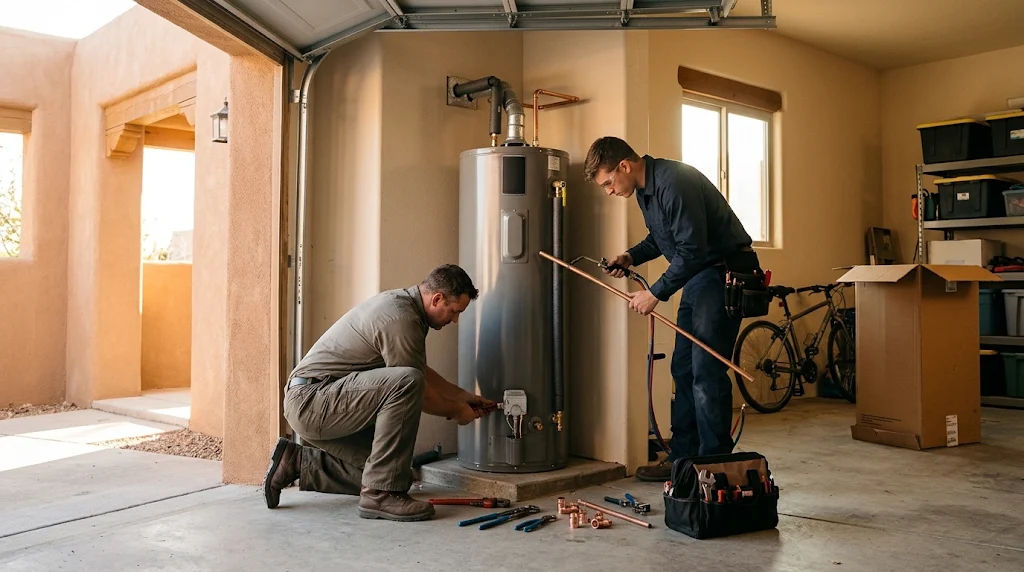
Homeowners often overlook the importance of proper installation when purchasing a replacement water heater. However, selecting the right equipment is only one part of the process. Correct sizing, professional connections, suitable placement, and careful system testing all contribute to long-term performance. These considerations make professional Water Heater Installation Albuquerque NM an important service for homeowners who want dependable hot water and fewer equipment-related problems.
Albuquerque has particular environmental and household considerations that can influence water heater performance. Local water conditions, seasonal temperature changes, household consumption, and available energy sources can all affect which system is most suitable. Working with experienced installation professionals helps homeowners understand these factors before making an investment.
Whether someone is replacing an aging unit, upgrading to a more efficient model, or installing a water heater in a newly constructed property, professional assistance can make the entire process easier. Understanding the benefits of expert installation helps homeowners make informed decisions and maintain a comfortable living environment.
1. Ensures a Reliable Hot Water Supply
One of the main reasons to choose professional water heater installation is to maintain a dependable supply of hot water. A properly installed system is designed to meet household requirements without unnecessary interruptions.
An incorrectly installed unit may experience temperature fluctuations, inconsistent heating, or other performance problems. These issues can affect everyday activities and create frustration for family members.
Professional installers evaluate household requirements before recommending a suitable system. They consider the number of occupants, bathrooms, appliances, and typical hot water consumption.
Consistent Water Temperature
A properly selected and installed water heater can provide more consistent temperatures throughout the home. This is particularly important for households with several people who use hot water at different times.
Correct installation also helps ensure that thermostats, heating elements, and other components operate as intended.
Better Household Convenience
Reliable hot water makes everyday activities easier. Homeowners can comfortably shower, wash dishes, clean household items, and complete laundry without constantly worrying about whether enough hot water is available.
Professional installation helps establish a dependable foundation for these activities.
2. Improves Energy Efficiency
Energy efficiency is another important reason homeowners consider professional installation. Water heaters consume energy to heat and maintain water temperatures, making their efficiency an important factor in household utility expenses.
An outdated or improperly installed system may consume more energy than necessary. Professional installation helps ensure that the equipment operates according to its manufacturer's specifications.
Choosing an Energy-Efficient Model
Modern water heaters are available in several designs with different energy requirements. Depending on household needs, homeowners may consider:
-
Traditional storage tank water heaters.
-
Tankless water heaters.
-
Heat pump water heaters.
-
High-efficiency gas water heaters.
-
Energy-efficient electric water heaters.
Each option offers different advantages. A professional installer can explain the differences and help identify an appropriate model.
Reducing Unnecessary Energy Consumption
Proper connections, appropriate temperature settings, suitable insulation, and correct equipment sizing can contribute to efficient operation.
For example, an oversized water heater may consume more energy than a household requires. On the other hand, a system that is too small may struggle to provide enough hot water.
Professional Water Heater Installation Albuquerque NM helps homeowners select equipment that balances performance, capacity, and energy consumption.
3. Supports Household Safety
Water heaters combine electricity or gas, plumbing connections, and heated water. Because these systems involve several potential safety concerns, proper installation is essential.
Incorrect connections can create electrical hazards, gas-related risks, water leaks, or excessive pressure problems. Professional installers understand the precautions required when working with these systems.
Correct Electrical and Gas Connections
Electric water heaters require appropriate electrical connections and circuit protection. Gas-powered models require properly installed gas connections and suitable venting.
These requirements vary according to the equipment and installation location.
A qualified professional checks that the necessary connections are compatible with the selected unit and applicable safety requirements.
Pressure and Temperature Protection
Water heaters include safety components designed to help manage excessive temperature and pressure.
A temperature and pressure relief valve is an important example. It helps release pressure when conditions inside the tank become unsafe.
Professional installation ensures that required safety components are properly fitted and that discharge piping follows applicable requirements.
Proper Ventilation
Gas water heaters require appropriate ventilation to remove combustion gases safely.
Incorrect venting can allow dangerous gases to accumulate indoors. Professional installers evaluate ventilation requirements and ensure that the installation follows manufacturer instructions and applicable codes.
4. Helps Select the Right Water Heater Size
Selecting the correct water heater capacity is essential for household comfort. A system that is too small may run out of hot water frequently, while an unnecessarily large unit may increase installation and operating expenses.
Professional installers consider household consumption patterns before recommending equipment.
Understanding Household Demand
Several factors influence water heater sizing, including:
-
Number of people living in the home.
-
Number of bathrooms.
-
Frequency of showers and baths.
-
Dishwasher and washing machine usage.
-
Simultaneous hot water requirements.
-
Available installation space.
For storage tank systems, professionals consider the tank capacity and first-hour rating. For tankless systems, they evaluate the required flow rate and temperature rise.
Avoiding Capacity Problems
A correctly sized water heater can provide better performance during periods of high demand.
For example, a family with multiple bathrooms may need a larger storage tank or a tankless system with sufficient capacity to support simultaneous activities.
Professional Water Heater Installation Albuquerque NM helps prevent common sizing mistakes and ensures that the equipment matches actual household requirements.
5. Addresses Albuquerque's Local Water Conditions
Water quality is another consideration when choosing a water heater in Albuquerque. Mineral content and other characteristics of the local water supply can influence plumbing equipment over time.
Hard water contains higher concentrations of minerals, particularly calcium and magnesium. When heated, these minerals can contribute to scale deposits inside a water heater.
Understanding Mineral Buildup
Scale accumulation can affect heating efficiency and may contribute to unusual noises, reduced performance, and additional maintenance requirements.
The extent of these effects depends on water conditions, equipment design, and maintenance practices.
A professional can explain whether additional water treatment or regular maintenance may be beneficial for a particular property.
Selecting Suitable Equipment
Different water heaters have different maintenance requirements and design features.
Some models include protective components intended to reduce corrosion or make maintenance easier.
Homeowners should discuss local water conditions with their installer before choosing a replacement system.
Regular inspections and manufacturer-recommended maintenance can also help protect equipment from preventable problems.
6. Increases the Potential Lifespan of the Equipment
A water heater represents a significant household investment. Homeowners naturally want their equipment to provide dependable service for as long as reasonably possible.
Professional installation can support equipment longevity by reducing the likelihood of installation-related problems.
Preventing Installation Mistakes
Incorrect plumbing connections, unsuitable electrical wiring, improper venting, and poor equipment placement can contribute to premature problems.
Professional installers follow manufacturer specifications and applicable installation requirements.
They also check important components before completing the project.
Establishing a Maintenance Routine
Installation is only the beginning of responsible water heater ownership.
Depending on the system, maintenance may include:
-
Inspecting plumbing connections for leaks.
-
Checking the temperature and pressure relief valve.
-
Examining the anode rod in applicable tank models.
-
Flushing mineral sediment when recommended.
-
Checking electrical connections.
-
Inspecting gas burners and ventilation.
-
Reviewing thermostat operation.
Not every task applies to every water heater. Following the manufacturer's instructions and arranging professional maintenance when necessary can help maintain reliable operation.
7. Provides Access to Modern Water Heating Technology
Water heating technology continues to develop, giving homeowners more choices than traditional storage tank systems.
When replacing an older unit, homeowners can explore newer equipment that may offer improved convenience, efficiency, or space savings.
Tankless Water Heaters
Tankless systems heat water as it passes through the equipment instead of storing a large quantity in a tank.
Their main advantages include:
-
Compact installation designs.
-
Reduced standby heat loss.
-
Hot water available when demand and capacity requirements are met.
-
Potential energy savings under suitable usage conditions.
However, tankless systems require appropriate flow capacity and may need electrical, gas, or venting upgrades.
Heat Pump Water Heaters
Heat pump water heaters transfer heat from surrounding air into stored water.
They can use less electricity than conventional electric resistance water heaters under suitable operating conditions.
However, installation requires consideration of available space, airflow, ambient temperatures, condensate drainage, and manufacturer specifications.
Smart Water Heater Features
Some modern models offer digital controls, monitoring features, programmable settings, and system alerts.
These features can make it easier for homeowners to monitor equipment performance and identify potential problems.
Professional installers can explain which technologies provide practical benefits for a particular household.
8. Helps Ensure Compliance With Local Requirements
Water heater installations must follow applicable building, plumbing, electrical, fuel gas, and safety requirements.
These rules help protect residents and ensure that equipment is installed correctly.
In Albuquerque, homeowners should consider applicable city requirements and any relevant permit or inspection obligations before beginning an installation.
Understanding Permits and Inspections
Depending on the project, a permit may be required for water heater replacement or installation.
Requirements can depend on the type of equipment, the work involved, and local regulations.
A qualified contractor can help determine which approvals are necessary and explain the inspection process.
Following Manufacturer Specifications
Every water heater has specific installation instructions.
These may cover equipment clearances, connections, venting, electrical requirements, drainage, and operating temperatures.
Following these specifications helps protect equipment performance and supports compliance with applicable safety standards.
Professional Water Heater Installation Albuquerque NM gives homeowners access to people familiar with the technical requirements of installing residential water heating systems.
9. Saves Time and Reduces Installation Stress
Installing a water heater involves more than connecting a few pipes. The process may require removing an existing unit, preparing the installation area, checking connections, installing new components, and testing the finished system.
For homeowners without plumbing experience, managing these tasks can become complicated.
Organized Installation Process
Professional installers generally begin by assessing the existing system and confirming the replacement equipment.
They then plan the necessary work, prepare the installation location, and identify any upgrades required.
An organized approach helps reduce unnecessary delays and makes the project easier to manage.
Proper Removal of Old Equipment
Removing an old water heater requires attention to water supply connections, electrical or gas supplies, and drainage.
The existing tank may also contain a substantial quantity of water.
Professional technicians follow appropriate procedures for disconnecting and removing old equipment.
They can also arrange suitable disposal according to local requirements.
Testing Before Completion
After installation, the system should be checked before regular use.
Depending on the model, testing may include examining water connections, checking for leaks, verifying electrical or gas operation, inspecting ventilation, and confirming thermostat settings.
This process helps identify problems before the equipment becomes part of everyday household use.
10. Offers Better Performance During Seasonal Changes
Albuquerque experiences seasonal temperature changes, which can influence household water heating requirements.
During colder periods, incoming water temperatures may be lower. Consequently, the water heater may need to provide a greater temperature increase to deliver comfortable hot water.
Understanding Temperature Rise
Temperature rise refers to the difference between incoming water temperature and the desired hot water temperature.
This measurement is especially important when selecting tankless water heaters because their output capacity depends partly on the required temperature rise.
A system that performs well during warmer months may not provide the same flow rate when incoming water becomes colder.
Preparing for Colder Weather
Professional installation helps ensure that the equipment is suitable for expected operating conditions.
Homeowners should also consider protecting exposed plumbing from freezing temperatures when necessary.
Appropriate insulation, suitable placement, and routine inspections can help reduce weather-related plumbing concerns.
11. Helps Protect Against Water Damage
Water heater leaks can create expensive problems if they are not identified and addressed promptly.
Leaks may develop around fittings, valves, connections, or the storage tank itself.
A leaking tank often indicates that replacement may be necessary, especially when corrosion has damaged its structure.
Proper Installation of Drainage Components
Some water heater installations require drain pans and suitable drainage arrangements, depending on the location and applicable requirements.
These components can help direct certain leaks away from vulnerable areas.
However, a drain pan is not a substitute for addressing a leaking water heater.
Identifying Potential Problems Early
Professional installation includes checking important connections and examining the surrounding installation area.
Homeowners should continue watching for warning signs such as unexpected moisture, rust-colored water, unusual noises, or changes in heating performance.
Prompt attention can help prevent a small problem from becoming a more serious household issue.
12. Makes Property Maintenance Easier
A properly installed water heater can make future household maintenance more manageable.
When equipment is positioned correctly and its connections are accessible, inspections and servicing can become easier.
Convenient Equipment Placement
Installers consider available space, access requirements, plumbing arrangements, and manufacturer-recommended clearances.
Suitable placement helps ensure that technicians can inspect and maintain the system without unnecessary difficulties.
Clear Maintenance Information
Homeowners should understand the basic operating requirements of their new equipment.
A professional installer can explain thermostat controls, routine maintenance recommendations, warning indicators, and the manufacturer's warranty conditions.
Keeping installation documents and maintenance records is also helpful.
These details can make future repairs, inspections, and equipment replacement easier to organize.
13. What to Consider Before Hiring an Installation Professional
Choosing the right contractor is an important part of getting a dependable water heater installation.
Homeowners should look beyond the initial price and consider the contractor's qualifications, experience, service quality, and understanding of local requirements.
Verify Licensing and Insurance
Check that the contractor holds the appropriate licensing for the work being performed in New Mexico.
Insurance is also important because it provides additional protection when professional work is being carried out on the property.
Ask About Experience
Experience with different water heater systems can be valuable.
Homeowners should ask whether the contractor regularly installs traditional tank, tankless, electric, gas, or heat pump systems.
The installer should be able to explain the advantages and limitations of each suitable option.
Request a Detailed Estimate
A written estimate should clearly explain the proposed equipment and installation work.
It may include:
-
Water heater model and capacity.
-
Equipment and labor costs.
-
Removal of the existing unit.
-
Required plumbing or electrical upgrades.
-
Permit-related expenses.
-
Warranty information.
-
Expected installation schedule.
Comparing detailed estimates makes it easier to understand the actual value of each service.
Understand Warranty Coverage
Water heater warranties may cover specific components for a limited period, subject to their terms and conditions.
Installation workmanship may have separate coverage.
Homeowners should understand both types of protection before approving the project.
14. Signs That Your Existing Water Heater Needs Replacement
Sometimes homeowners continue using an aging water heater even when its performance has started declining.
Recognizing common warning signs can help them arrange an inspection before the system stops working unexpectedly.
Important indicators include:
Inconsistent water temperature: Water that frequently becomes too hot or too cold may indicate a thermostat, heating element, or other equipment problem.
Reduced hot water supply: A system that runs out of hot water more quickly than usual may have a capacity or performance issue.
Unusual operating noises: Popping, rumbling, or other unfamiliar sounds can indicate sediment accumulation or mechanical problems.
Visible corrosion: Rust around connections or on the tank may suggest deterioration.
Water leakage: Moisture around the tank or connections requires prompt attention.
Increasing energy consumption: A sudden change in energy usage may indicate that the equipment is operating inefficiently.
The age of the water heater is another consideration. Many traditional tank models have an expected service life of approximately eight to twelve years, although actual longevity varies according to equipment quality, water conditions, maintenance, and usage.
A professional inspection can help determine whether repairing the existing system or installing a replacement is the more practical decision.
Conclusion
Choosing professional water heater installation is an important decision for homeowners who want dependable hot water, improved energy efficiency, and greater household safety. A properly installed system supports everyday activities while helping reduce the likelihood of avoidable plumbing, electrical, and equipment-related problems.
Albuquerque homeowners should consider several local factors when selecting a new water heater, including water conditions, household consumption, seasonal temperature changes, available energy sources, and installation requirements. Understanding these considerations makes it easier to choose equipment that provides suitable performance without unnecessary operating expenses.
Professional Water Heater Installation Albuquerque NM also offers advantages beyond simply connecting a new appliance. Qualified installers can evaluate household requirements, recommend suitable equipment, verify important safety components, and explain maintenance responsibilities. Their experience can help prevent common installation mistakes and establish a reliable foundation for long-term equipment performance.
Whether a homeowner needs to replace an aging storage tank, upgrade to a tankless system, or install a water heater in a newly constructed property, careful planning is essential. Comparing contractors, checking qualifications, reviewing written estimates, and understanding warranty coverage can help homeowners make informed decisions.
Ultimately, investing in professional installation is about more than having access to hot water. It is about creating a safer, more comfortable, and more efficient home. With suitable equipment, correct installation, and regular maintenance, Albuquerque residents can enjoy reliable water heating and greater confidence in their household plumbing systems.