
In an era where environmental consciousness meets innovative design, paper tubes have emerged as the unexpected heroes of modern packaging. These cylindrical containers crafted from layers of Kraft paper or cardboard are transforming how brands present their products across industries. From luxury cosmetics to everyday snacks, paper tube packaging combines functionality with sustainability, offering a plastic-free alternative that doesn't compromise on style or protection. As consumers increasingly demand eco-friendly options, these versatile containers provide the perfect solution for brands looking to reduce their environmental footprint while maintaining shelf appeal.
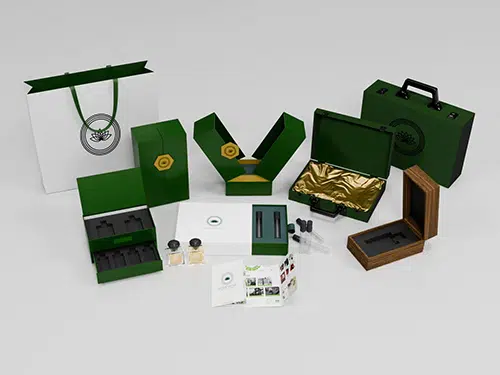
The beauty industry has been particularly quick to adopt paper tube packaging for products like solid perfumes and lip balms. The material's natural protective qualities combined with its premium appearance make it ideal for high-end cosmetics. Unlike traditional plastic containers that often end up in landfills, these paper alternatives can be fully recycled or even composted in many cases, aligning perfectly with the values of eco-conscious consumers.
What makes these tubes particularly appealing is their customizability. Brands can choose from various finishes, colors, and printing techniques to create packaging that truly represents their identity. From minimalist matte finishes to bold embossed designs, the creative possibilities are nearly endless while maintaining environmental responsibility.
The Anatomy of Paper Tubes
At their core, paper tubes are deceptively simple structures composed of multiple layers of Kraft paper or cardboard wound together with adhesive. The manufacturing process involves two primary techniques: spiral winding creates tubes with a characteristic rolled appearance where the paper layers follow a continuous spiral pattern, while convolute winding produces tubes with straight, parallel layers that result in a smoother exterior finish.
What makes paper tubes particularly remarkable is their strength-to-weight ratio. Despite being made from relatively lightweight materials, the layered construction provides surprising durability that can protect delicate contents during shipping and handling. This structural integrity, combined with their eco-friendly credentials, explains why they've become such a popular packaging choice across diverse industries.
Where Paper Tubes Shine
Beauty and Personal Care: The cosmetics industry has embraced paper tubes for products ranging from lip balms to solid perfumes. These containers offer excellent protection for sensitive formulations while providing a premium unboxing experience. Push-up and twist-up mechanisms have been particularly successful in deodorant and lip product applications.
Food Packaging: From specialty teas to artisanal chocolates, paper tubes help preserve freshness while eliminating plastic waste. Their cylindrical shape is ideal for containing loose items like coffee beans or snack mixes, and food-safe linings can be added when necessary for moisture protection.
Fashion and Apparel: Clothing brands use paper tubes to package everything from socks to scarves, creating memorable unboxing moments that enhance brand perception. The tubes protect delicate fabrics while offering ample surface area for branding and design elements.
Art and Documents: Architects, artists, and printers rely on sturdy paper tubes to safely transport posters, blueprints, and artwork. The cylindrical shape naturally resists crushing forces that might damage flat items in transit, making them ideal for shipping valuable prints.
The Spectrum of Paper Tube Varieties
| Type | Best Uses | Key Features |
|---|---|---|
| Push-Up Tubes | Deodorants, balms, lotions | Product advances from bottom as used |
| Twist-Up Tubes | Solid cosmetics, perfumes | Rotating base moves product upward |
| Telescoping Tubes | Gift items, luxury goods | Two-part sliding design for premium presentation |
| Sealed-End Tubes | Shipping documents, dry foods | One permanently closed end for maximum protection |
Each type offers unique advantages that make it suitable for specific applications. Push-up and twist-up mechanisms, for instance, provide convenient access to viscous products while maintaining clean, controlled dispensing. Telescoping designs create an upscale presentation perfect for gift items or high-end cosmetics, while sealed-end tubes offer maximum protection for contents during shipping and storage.
The Sustainability Question
Paper tubes represent a significant step forward in sustainable packaging solutions. Most are manufactured using recycled Kraft paper or cardboard, reducing demand for virgin materials. At the end of their lifecycle, they can typically be recycled through standard paper recycling streams, unlike many composite plastic packages that require specialized processing facilities.
Environmental advantages extend beyond recyclability. Paper tubes generally require less energy to produce than plastic alternatives and decompose much more quickly if improperly disposed of. Many manufacturers now use plant-based adhesives and soy or vegetable-based inks to further reduce environmental impact. However, as with any packaging solution, not all paper tubes are created equal—some may contain plastic linings or coatings that complicate recycling, so brands committed to sustainability should specify fully paper-based constructions.
For brands looking to make their packaging more sustainable without sacrificing quality or aesthetics, paper tubes offer a compelling solution. Their combination of environmental benefits and practical functionality explains why they've become such a popular packaging choice across industries. As consumer demand for eco-friendly options grows, paper tube technology continues to evolve, with new innovations making them suitable for an ever-wider range of products.
Selecting the Right Paper Tube for Your Product
Choosing the ideal paper tube packaging requires careful consideration of several factors. First, assess your product's physical characteristics—weight, dimensions, and fragility all influence which tube type will provide adequate protection. Delicate items may benefit from thicker walls or additional internal cushioning, while heavy products need structural reinforcement to prevent crushing.
Brand identity should also guide your selection. The tube's shape, finish, and printing capabilities should align with your brand's aesthetic values. Consider how the packaging will look on shelves alongside competitors, and how it contributes to the overall customer experience. Many companies find that paper tubes offer superior branding opportunities compared to traditional boxes, with their continuous surface area allowing for striking wrap-around designs.
Finally, don't overlook practical considerations like shipping efficiency and storage requirements. Paper tubes often nest efficiently, reducing storage space needs compared to rigid boxes. Their cylindrical shape can also minimize damage during transit by distributing impacts evenly around the container rather than concentrating stress at corners.