
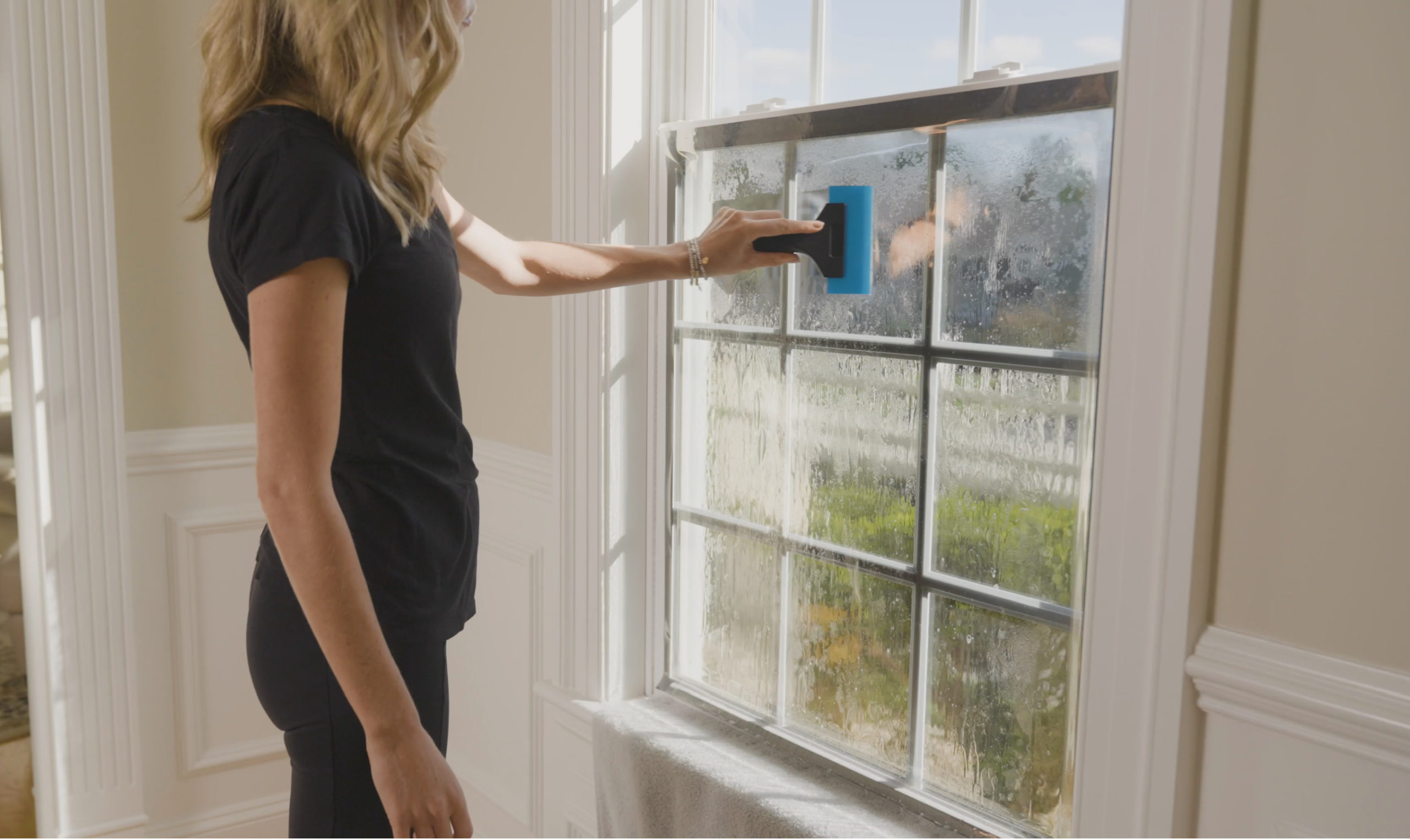
Advanced Methodologies for Precision Application
Window film installment has evolved from a staple esthetic raise to a precision-driven craft requiring specialised techniques. The manufacture now demands mastery over small-climate conditions, adhesive interpersonal chemistry, and substratum grooming. Recent data from the International Window Film Association shows that 73 of early film failures stem from unsuitable installment environments, underscoring the critical need for methodical approaches 3m daylight redirecting film.
Contrarian View on Installation Standards
Most installers keep an eye on producer guidelines verbatim, but rising explore suggests these standards often drop territorial environmental factors. For instance, high-altitude installations(above 5,000 feet) need adhesive material formulations with turn down fickle organic fertilizer compounds(VOCs) to keep bubbling. A 2024 contemplate by Applied Materials Science Journal establish that 62 of films installed in upland regions failed within 18 months due to unadapted adhesive viscosity.
Temperature-Dependent Techniques
The traditional wiseness assumes a one-size-fits-all adhesive material practical application, but thermal dynamics play a unhesitating role. In sub-zero climates, pre-heating the glass over to 70 F before practical application reduces edge lifting by 40. Conversely, tropical installations benefit from rapid-cure adhesives to subvert humidity soaking up. These counterintuitive adjustments take exception the status quo of atmospheric static installment protocols.
Optical Clarity vs. Energy Efficiency Trade-offs
Installers often prioritise vitality metrics over ocular transparentness, but consumer preferences are shift. Data from the U.S. Department of Energy indicates that 58 of residential clients now films with 90 telescopic unhorse transmittance(VLT) without sacrificing UV protection. This demands loanblend films that use nano-coating engineering to dot infrared emission heat while maintaining natural philosophy clarity a feat achievable only through sophisticated practical application techniques.
Substrate-Specific Challenges
Tempered glaze, low-E coatings, and laminated glaze each want distinct installment methodologies. For example, low-E glass’s mirrorlike rise up can cause adhesive agent bonding issues if not pre-treated with a fuze. A 2024 survey by Glass Processing Magazine discovered that 89 of installers lack dinner gown grooming on substratum compatibility, leadership to a 22 increase in callback rates for commercial projects.
Automation in Precision Installation
The futurity of window film installing lies in robotic-assisted systems, particularly for high-rise applications. Companies like 3M and Eastman Chemical have developed AI-driven film applicators that adjust tension in real-time supported on wind load calculations. These systems tighten human wrongdoing by 65 and are now mandated in 30 of European commercial installations. The ROI for mechanization is : low tug costs and 99.7 defect-free installations.
Regulatory and Safety Compliance
Installers must sail a maze of edifice codes, including fire safety ratings(ASTM E84) and hurricane impact standards(Miami-Dade County Protocol TAS 201). Failure to comply results in indebtedness risks and visualize delays. A 2024 report by the National Fenestration Rating Council highlighted that 41 of commercial installations in coastal zones lack proper hurricane-rated films, leaving structures vulnerable to code violations.
Cost-Benefit Analysis of Premium Techniques
- High-performance films with nano-coatings cost 25 more but reduce vim bills by 30 every year.
- Automated installing systems have a 3-year payback time period for projects over 10,000 sq. ft.
- Proper substratum fuse adds 5 to material costs but eliminates 80 of call-backs.
- Temperature-adjusted installations tighten film delamination by 70 in extreme point climates.
The data overpoweringly supports investment in hi-tech techniques despite high upfront costs, the long-term savings and enduringness benefits justify the expense. The manufacture’s shift toward preciseness-driven installing is not just a swerve; it’s a requisite for modern twist standards.