
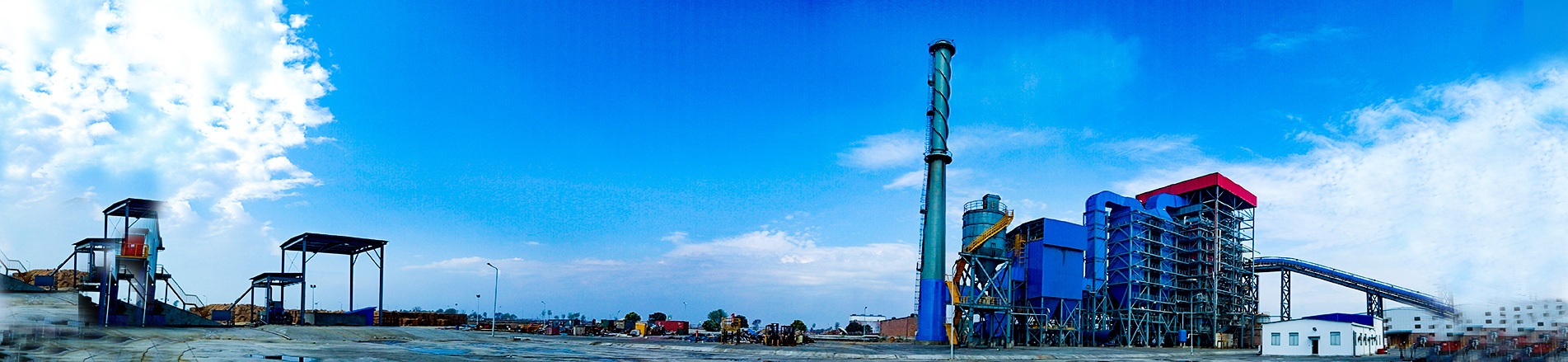
Boiler islands, which are essential components in industrial power generation and energy systems, play a material role in the conversion of fuel to energy. As these systems run, they create byproducts such as ash, slag, and water that want efficient treatment and management to check state of affairs safety and operational efficiency. The handling of these byproducts has evolved with advancements in engineering science, and now, several sophisticated methods are employed to wield the waste products from boilers. These technologies not only address environmental concerns but also optimize performance and see submission with progressively strict regulations coal – fired power plant boiler island retrofit.
Ash and slag are the primary quill solid byproducts produced in the work on of solid fuels, such as coal. Traditionally, the disposal of ash and slag has been a John Roy Major situation challenge due to their volume and the potentiality for leaching baneful substances into the soil and groundwater. In Recent epoch old age, high-tech methods have been developed to wield these materials more with efficiency. One such applied science is the use of ash and slag conveyors conjunctive with technical legal separation techniques. These systems help the separation of unburned carbon paper and metals from the ash, allowing for the reprocess of these materials in construction or even as fertilizers, significantly reducing waste. Furthermore, the use of wet and dry fathom ash handling systems ensures that ash is collected and refined in a personal manner that minimizes dust emissions and prevents contamination of surrounding areas.
Water treatment, another vital prospect of steam boiler island surgical process, involves the management of water used for steamer generation, cooling, and cleaning purposes. The handling of steam boiler feedwater is requisite for preventing the buildup of scale and within the system of rules. Advanced water handling technologies, such as invert osmosis, ion , and demineralisation, are widely used to make pure water before it enters the boiler. This work on removes vesicatory minerals and contaminants that could otherwise vitiate smart boiler performance systems efficiency and expurgate equipment life. Additionally, technologies like optical condenser water handling and cooling system tower filtration are used to wield the timbre of irrigate in cooling systems, preventing fouling and grading that can tighten heat transpose efficiency.
Another key development in irrigate handling is the desegregation of closed-loop irrigate systems. These systems recycle water within the steam boiler island, reducing the demand for freshly irrigate and minimizing the state of affairs touch on associated with irrigate expenditure. Advanced filtration and chemical treatment processes control that the irrigate clay free of impurities, while also managing the disposal of concentrated waste products in a safe and environmentally responsible manner.
In damage of environmental tribute, the treatment of air emissions has also seen Major innovations. While not direct correlated to the direction of ash, slag, or irrigate, the simplification of unwholesome pollutants such as sulphur , atomic number 7 oxides, and particulate weigh from boiler tucker is vital to the overall environmental footmark of a steam boiler island. Technologies like flue gas desulfurization, exclusive chemical change simplification, and static precipitators work in junction with ash and slag handling systems to minimize the unfreeze of these pollutants into the standard pressure, thus merging regulative standards and protective air quality biomass boiler island operational challenges.
The continuing development of sophisticated technologies in ash, slag, and water handling reflects the maturation importance of sustainability in heavy-duty operations. By minimizing run off, maximizing resourcefulness retrieval, and reducing the state of affairs touch on, these innovations not only enhance the operational efficiency of steam boiler islands but also contribute to the worldwide exertion to reduce pollution and natural resources. As energy demands carry on to rise, these sophisticated technologies will play an more and more material role in ensuring that major power propagation cadaver both operational and environmentally responsible.